

Single-sided PP Release Film: Structure, Advantages, and Industrial Applications
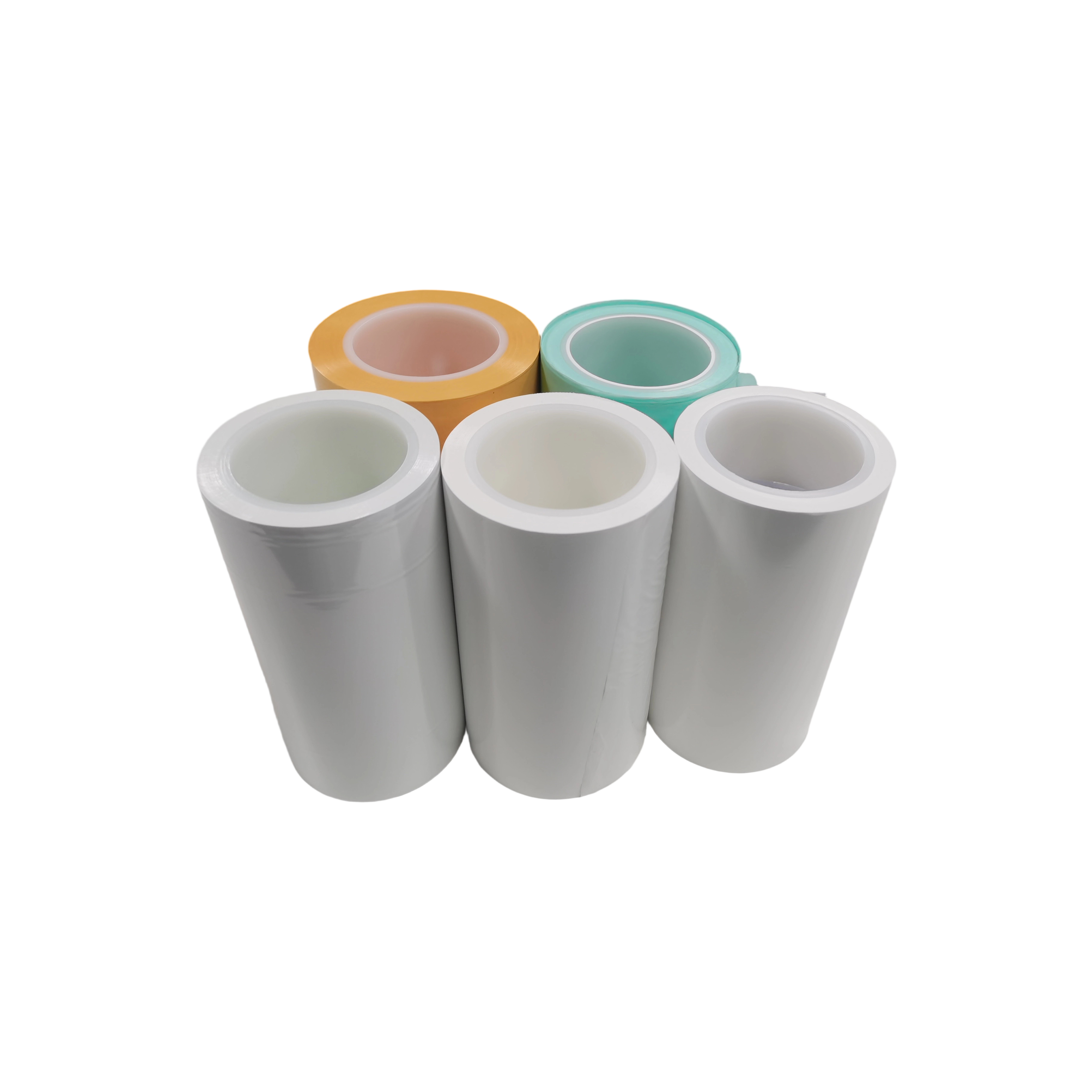
Single-sided Polypropylene (PP) Release Film is a specialized variant of PP release film engineered with a targeted non-stick coating on only one surface, while the other side retains the inherent properties of polypropylene—such as mechanical stability and chemical resistance. This asymmetric design is purpose-built to address scenarios where only one surface needs release functionality, while the other requires adhesion to substrates, compatibility with processing equipment, or additional functional layers. Unlike double-sided PP release film, which offers non-stick performance on both sides, single-sided variants balance release efficiency with versatility, making them a cost-effective and application-specific solution across packaging, electronics, medical, and composite manufacturing sectors. Its ability to deliver consistent, residue-free release on one side while maintaining adaptability on the other has solidified its role as a go-to material for precision-driven industrial processes.
Core Structure and Design Principles
The unique value of single-sided PP release film lies in its layered, asymmetric structure, which is optimized for targeted performance:
Base Layer: The core is a polypropylene substrate, typically made from Biaxially Oriented Polypropylene (BOPP) or Cast Polypropylene (CPP). BOPP-based single-sided films offer superior dimensional stability, tensile strength (20–35 MPa), and thermal resistance (up to 130°C), making them suitable for high-temperature processes like composite curing. CPP-based films are softer, more conformable, and have lower thermal resistance (up to 90°C), ideal for low-temperature packaging or flexible applications.
Single-Side Coating: One surface of the PP substrate is coated with a specialized release agent, the most common being silicone (solvent-based, water-based, or solvent-free). Silicone coatings reduce surface energy to 22–28 dynes/cm, enabling consistent release from adhesives (acrylic, rubber, silicone) with customizable release forces (5–30 g/in). For applications sensitive to silicone contamination (e.g., semiconductor manufacturing), non-silicone coatings—such as fluoropolymers, waxes, or modified PP resins—are used, maintaining surface energy at 25–30 dynes/cm.
Untreated Back Side: The uncoated side retains PP’s natural properties: moderate surface energy (29–32 dynes/cm) for potential adhesion to substrates (e.g., paper, metal foils) or compatibility with printing, laminating, or coating equipment. This side may also undergo optional treatments (e.g., corona, plasma) to increase surface energy (to 38–42 dynes/cm) if enhanced adhesion to other materials is required, expanding the film’s functional flexibility.
Key Advantages of Single-sided PP Release Film
Compared to double-sided PP release film or other single-sided release films (e.g., PET), single-sided PP release film offers distinct benefits tailored to industrial needs:
Cost Efficiency: Coating only one surface reduces material usage (up to 30% less release agent compared to double-sided variants) and simplifies manufacturing, resulting in a lower cost per square meter. This makes it ideal for high-volume applications where only one-sided release is necessary, such as adhesive tape liners or packaging seals.
Functional Versatility: The untreated back side enables seamless integration with other processes. For example, it can be printed with product information (batch codes, logos) for packaging, laminated to paper or plastic for composite structures, or bonded to substrates (e.g., foam, metal) for industrial components—capabilities not possible with double-sided release film, whose non-stick back side resists adhesion.
Process Compatibility: The uncoated side is compatible with standard processing equipment, such as rollers, laminators, and die-cutters, as it does not leave residue on machinery. This reduces maintenance costs and downtime, a critical advantage for automated production lines in electronics or medical device manufacturing.
Controlled Release Performance: By focusing the release coating on one side, manufacturers can precisely tailor release force without compromising the other surface’s properties. For instance, light release forces (5–10 g/in) are used for delicate labels, while heavy release forces (20–30 g/in) suit structural adhesives—all while the back side maintains compatibility with packaging materials.
Manufacturing Process: Precision and Quality Control
The production of single-sided PP release film requires specialized, automated processes to ensure uniform coating on one surface and consistent quality:
Substrate Preparation: The PP base film (BOPP or CPP) is unwound and undergoes surface cleaning to remove dust, oils, or contaminants, which could impair coating adhesion. For BOPP substrates, pre-stretching (in machine and transverse directions) is completed before coating to enhance dimensional stability.
Targeted Coating Application: The release agent (silicone or non-silicone) is applied exclusively to one surface using precision coating techniques. Gravure coating is preferred for thin, uniform coatings (1–5 μm), while slot-die coating is used for thicker coatings or high-volume production. Shielding mechanisms (e.g., edge guides, air curtains) prevent the coating from transferring to the uncoated side.
Curing: The coated film is passed through a curing oven—thermal curing (120–180°C) for silicone coatings or UV curing for UV-curable formulations—to crosslink the release agent, forming a durable, non-stick layer. Curing parameters are tightly controlled to avoid coating degradation or damage to the PP substrate.
Back Side Treatment (Optional): If enhanced adhesion is required, the uncoated side undergoes corona or plasma treatment to increase surface energy. This step is followed by quality checks, including coating thickness measurement (±0.5 μm tolerance), release force testing (using peel force meters), and surface cleanliness inspection (via optical microscopy).
Slitting and Rewinding: The finished film is slit into custom widths (10 mm–2 m) and rewound onto cores, with each roll inspected for defects (e.g., coating unevenness, pinholes) to ensure compliance with industry standards.
Industrial Applications: Targeted Solutions for Diverse Sectors
Single-sided PP release film’s asymmetric design makes it indispensable for applications requiring one-sided release and functional versatility on the other side:
Adhesives and Labeling
It is the primary liner for single-sided pressure-sensitive tapes (masking tapes, medical tapes, packaging tapes). The coated side provides residue-free release from the adhesive, while the uncoated side can be printed with tape dimensions or brand logos, or laminated to paper for added rigidity. For self-adhesive labels, the uncoated side adheres to label stock (paper, plastic), ensuring the label remains stable until peeled from the coated release side.
Packaging Industry
In food packaging, single-sided CPP release film is used for sealing sticky products (e.g., candy, chocolate, cheese). The coated side prevents adhesion to the product, while the uncoated side is heat-sealed to packaging substrates (e.g., PET, aluminum foil) to maintain freshness. Non-silicone coated variants comply with food safety standards (FDA 21 CFR Part 177, EU 10/2011), ensuring no contamination. For industrial packaging, BOPP-based single-sided films protect adhesive-coated metal parts or plastic components, with the uncoated side compatible with shrink-wrapping equipment.
Electronics Manufacturing
Thin-gauge (12–25 μm) single-sided BOPP release film is used in flexible electronics (e.g., OLED screens, wearable devices). The coated side protects adhesive films used in component assembly, while the uncoated side is compatible with die-cutting machines, enabling precise shaping of the film to fit small, intricate electronic parts. It also serves as a temporary protector for PCB surfaces during soldering, with the uncoated side resisting heat and preventing damage to the board.
Medical Devices
Silicone-coated single-sided PP release film is a critical component in medical dressings, transdermal patches, and surgical tapes. The coated side releases easily from the adhesive layer of the dressing, ensuring pain-free application, while the uncoated side is sterile and compatible with packaging materials (e.g., Tyvek) to maintain sterility until use. It meets biocompatibility standards (ISO 10993) and is resistant to disinfectants, making it suitable for healthcare environments.
Composite Materials
In automotive and aerospace composite manufacturing, single-sided BOPP release film acts as a release layer between composite laminates (carbon fiber, fiberglass) and molds. The coated side prevents resin adhesion to the mold, ensuring a smooth part surface, while the uncoated side adheres temporarily to the composite, reducing wrinkling during curing. Its thermal resistance (up to 130°C) withstands composite curing temperatures, making it a reliable alternative to more expensive release films (e.g., PET).
Market Trends and Future Innovations
The global single-sided PP release film market is growing steadily, driven by demand for application-specific materials and sustainability, with key trends shaping its evolution:
Sustainability: Manufacturers are developing eco-friendly variants, such as solvent-free silicone coatings and bio-based PP substrates (blended with PLA), reducing VOC emissions and enabling recyclability. Recyclable single-sided films, compatible with PP recycling streams, are also gaining traction in packaging and electronics sectors.
High-Performance Coatings: Innovations in silicone chemistry are extending the thermal resistance of single-sided films to 150°C, expanding their use in advanced composite curing and high-temperature adhesive applications. Non-silicone coatings with enhanced chemical resistance are being developed for semiconductor and pharmaceutical applications, where contamination risks are critical.
Customization: Demand for tailored solutions is rising—including custom release forces (3–35 g/in), specialized back-side treatments (e.g., anti-static coatings for electronics), and die-cut shapes for medical devices. Manufacturers are offering end-to-end customization to meet niche application needs, such as ultra-thin films (8–12 μm) for microelectronics.
Smart Integration: Emerging trends include integrating sensors (temperature, humidity) into the uncoated side of single-sided films for real-time monitoring of industrial processes (e.g., composite curing, medical device storage). This adds a layer of traceability and quality control, particularly valuable in regulated sectors like healthcare and aerospace.
In conclusion, Single-sided PP Release Film stands out as a versatile, cost-effective material designed for targeted release performance. Its asymmetric structure balances non-stick functionality on one side with adaptability on the other, making it indispensable across diverse industries. As sustainability, customization, and performance requirements evolve, single-sided PP release film will continue to innovate, solidifying its role as a critical enabler of efficient, precision-driven manufacturing processes worldwide.