

Polypropylene Release Film: A Comprehensive Technical Overview
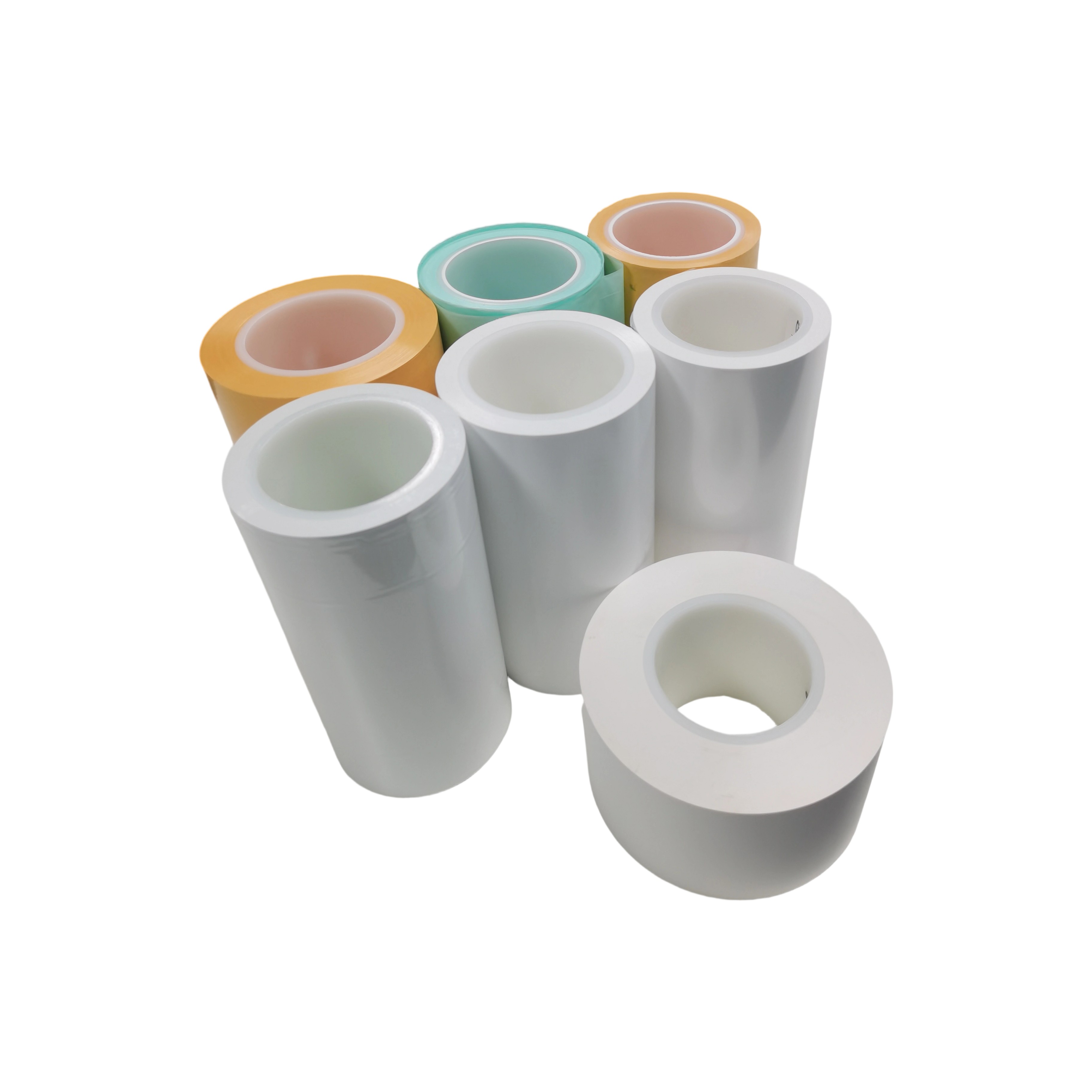
Polypropylene (PP) release film, a specialized polymeric material engineered for temporary surface protection and easy separation, has emerged as a cornerstone in modern manufacturing and packaging industries. Derived from polypropylene resin, this film is distinguished by its low surface energy, excellent chemical resistance, and cost-effectiveness, making it an ideal choice for applications requiring residue-free release from adhesives, resins, coatings, or composite materials. Unlike other release films (e.g., PET or PE), PP release film balances mechanical stability with processability, capable of withstanding moderate temperatures and adapting to diverse production environments. From adhesive tape liners to composite material carriers, its versatility and reliability have solidified its position as a preferred material across electronics, packaging, automotive, and medical sectors.
Core Material Advantages of Polypropylene Release Film
The widespread adoption of PP release film stems from its inherent material properties, which address key industry pain points:
Low Surface Energy: PP’s natural surface energy (typically 29–32 dynes/cm) minimizes adhesion to most substances, eliminating the need for heavy coatings in basic applications. When enhanced with silicone or fluoropolymer coatings, surface energy can drop to 22–28 dynes/cm, enabling consistent release from high-tack adhesives.
Cost-Effectiveness: Compared to PET or specialty polymer release films, PP release film offers a lower cost per square meter while maintaining sufficient performance for most mainstream applications, making it ideal for high-volume production.
Thermal Stability: Biaxially Oriented Polypropylene (BOPP) release film, the most common variant, withstands temperatures up to 120–130°C, compatible with processes like hot-melt adhesive application, composite curing, or heat sealing.
Mechanical Resilience: It exhibits good tensile strength (20–35 MPa) and elongation at break (150–300%), resisting tearing or deformation during winding, unwinding, and processing. Its flexibility allows it to conform to irregular surfaces without creasing.
Chemical Inertness: PP is resistant to acids, bases, oils, and most solvents, ensuring stability when in contact with adhesive formulations, resins, or industrial chemicals, without leaching contaminants.
Types and Customization of Polypropylene Release Film
PP release film is categorized based on orientation, coating type, and release force, enabling precise customization for specific applications:
By Orientation
Biaxially Oriented Polypropylene (BOPP) Release Film: Stretched in both machine and transverse directions, BOPP film offers superior dimensional stability, flatness, and tensile strength. It is the dominant type for industrial applications, such as adhesive tape liners, label stock, and composite manufacturing.
Cast Polypropylene (CPP) Release Film: Produced by casting molten resin onto a chilled roller, CPP film is softer and more conformable, suitable for low-temperature applications or wrapping irregularly shaped items. It has lower thermal resistance (up to 90°C) but excels in flexibility.
By Coating Type
Silicone-Coated PP Release Film: The most versatile variant, silicone coating enhances non-stick performance, enabling release from acrylic, rubber, or silicone adhesives. It is available in light (5–10 g/in), medium (10–20 g/in), or heavy (20–30 g/in) release forces, tailored to application needs—e.g., light release for delicate labels, heavy release for structural adhesives.
Non-Silicone Coated PP Release Film: Utilizes waxes, fluoropolymers, or modified PP resins for applications where silicone contamination is a concern, such as semiconductor manufacturing or food packaging.
Untreated PP Release Film: Relies on PP’s intrinsic low surface energy for simple applications, such as protecting non-adhesive surfaces or as a cost-effective liner for low-tack products.
Manufacturing Process of Polypropylene Release Film
The production of PP release film involves precise, automated steps to ensure consistency and performance:
Resin Extrusion: Polypropylene resin (homopolymer or copolymer) is melted at 200–230°C in an extruder and forced through a flat die to form a continuous sheet. For BOPP film, the sheet is stretched sequentially in machine (MD) and transverse (TD) directions at elevated temperatures (100–150°C) to enhance molecular orientation.
Surface Treatment: For coated films, the extruded film undergoes corona or plasma treatment to increase surface energy (to 38–42 dynes/cm), improving coating adhesion. A thin layer of silicone or non-silicone coating is applied via gravure, slot-die, or spray coating.
Curing: Silicone-coated films are cured at 120–180°C to crosslink the silicone, forming a durable, non-stick layer. Non-silicone coatings may require UV or thermal curing depending on the formulation.
Slitting and Rewinding: The finished film is slit into custom widths (10 mm–2 m) using precision slitting machines and rewound onto paper or plastic cores. Quality control checks—including thickness measurement (tolerances ±5%), release force testing, and surface cleanliness inspection—are conducted throughout the process.
Key Applications Across Industries
PP release film’s versatility makes it indispensable in diverse sectors:
Adhesives and Labeling
It serves as a release liner for pressure-sensitive tapes (double-sided, masking, medical), self-adhesive labels, and sticker sheets. BOPP silicone-coated film ensures easy peeling without adhesive residue, maintaining label integrity during storage and application.
Composite Materials
In automotive and aerospace manufacturing, PP release film acts as a carrier for carbon fiber or fiberglass composites during curing, preventing resin adhesion to molds and ensuring smooth part surfaces. Its thermal stability withstands composite curing temperatures (100–120°C).
Packaging
CPP release film is used for food packaging (e.g., candy wrappers, baked goods) to prevent sticking to sticky surfaces, while BOPP film serves as a release layer for adhesive seals and tamper-evident packaging. Non-silicone variants comply with food safety standards (FDA, EU 10/2011).
Electronics
It protects delicate electronic components (e.g., PCB surfaces, display screens) during assembly, preventing contamination from adhesives or dust. Thin-gauge BOPP film (12–25 microns) is used as a release liner for flexible electronics and adhesive films in smartphones and wearables.
Medical Devices
Silicone-coated PP release film is used as a liner for medical tapes, wound dressings, and transdermal patches. It meets biocompatibility standards (ISO 10993), ensuring safe contact with skin and easy, pain-free removal.
Market Trends and Future Developments
The global PP release film market is driven by growing demand from electronics, automotive, and packaging industries, with key trends shaping its evolution:
Sustainability: Manufacturers are developing recyclable and bio-based PP release films (e.g., PP blended with PLA) to reduce environmental impact. Recyclable silicone coatings and solvent-free production processes are also gaining traction.
High-Performance Coatings: Innovations in silicone chemistry are enabling PP release film to withstand higher temperatures (up to 150°C) and resist aggressive adhesives, expanding its use in advanced composites and industrial coatings.
Customization: Demand for tailored release forces, thicknesses (10–200 microns), and widths is rising, with manufacturers offering die-cutting and printing services to meet niche application needs.
Smart Functionality: Integration of sensors into PP release film to monitor temperature, humidity, or adhesion levels is emerging, particularly for high-value applications like medical devices and electronics manufacturing.
In conclusion, Polypropylene release film is a versatile, cost-effective material that plays a critical role in modern manufacturing and packaging. Its unique combination of low surface energy, mechanical stability, and chemical resistance makes it adaptable to diverse applications, while ongoing innovations in materials and processes are expanding its performance boundaries. As industries prioritize sustainability and customization, PP release film will continue to be a vital enabler of efficient, high-quality production across global sectors.