

Peel-off Film: An In-Depth Introduction
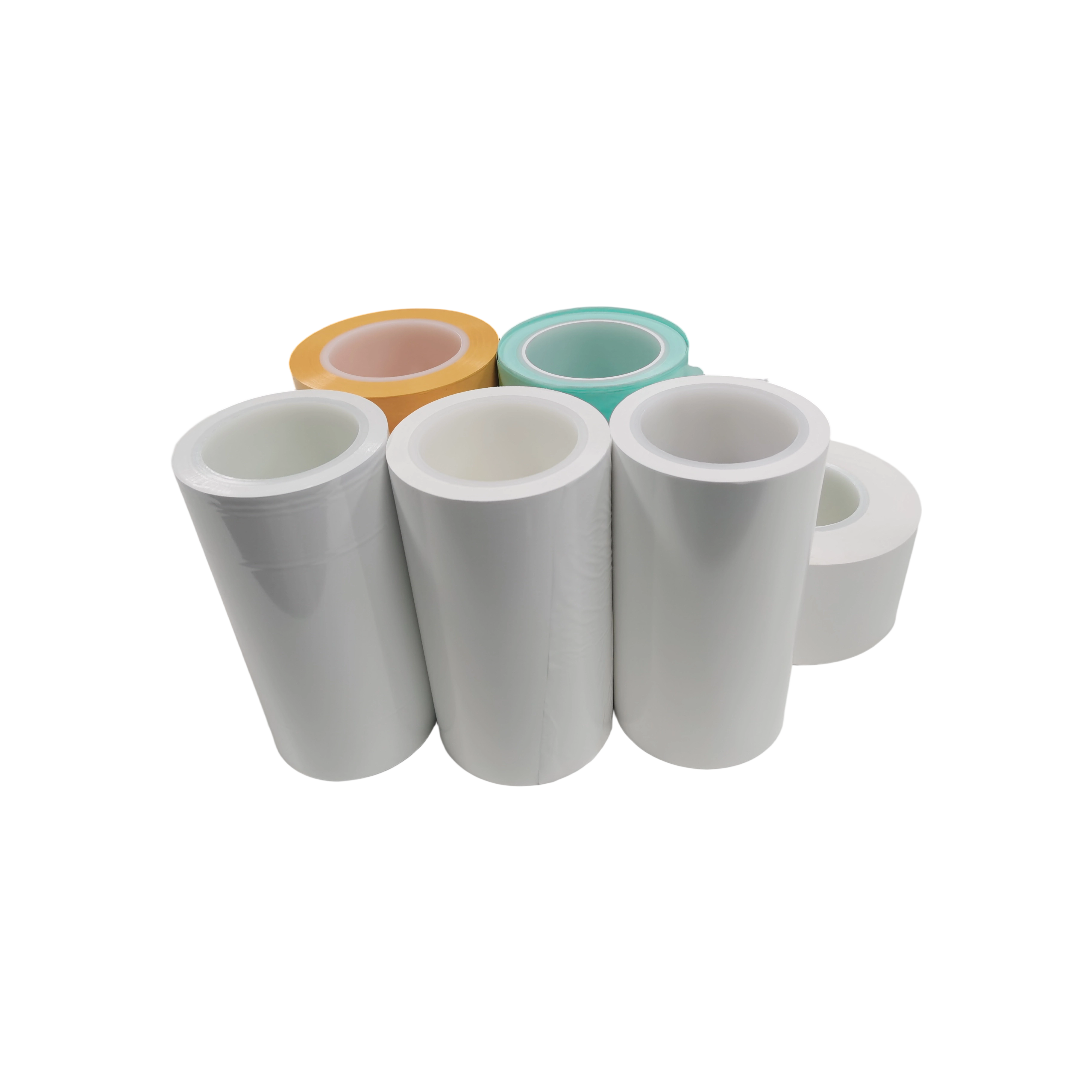
Peel-off film, a versatile and indispensable material in modern manufacturing and daily applications, refers to a thin, flexible polymeric sheet designed for easy removal from the surface of a product it protects or supports. Unlike permanent films, its core function lies in temporary coverage—shielding delicate surfaces from scratches, dust, contamination, or damage during production, transportation, storage, and installation, while enabling effortless peeling without leaving residues or damaging the underlying substrate. Ranging from micrometer-thin layers for electronic components to thicker sheets for industrial parts, peel-off film has become a staple across industries such as electronics, packaging, automotive, cosmetics, and construction, thanks to its customizable properties and cost-effective protection.
Classification of Peel-off Film
Peel-off films are categorized based on multiple factors, including material composition, adhesive properties, and application-specific designs, each tailored to meet distinct user needs.
By Material Composition
Polyethylene (PE) Peel-off Film: The most widely used type, PE peel-off film offers excellent flexibility, impact resistance, and chemical inertness. Low-Density Polyethylene (LDPE) films are soft and conformable, ideal for wrapping irregularly shaped items like plastic parts or hardware. High-Density Polyethylene (HDPE) films, by contrast, are stiffer and more durable, suitable for protecting rigid surfaces such as metal panels or glass sheets. Both variants are cost-effective and compatible with most substrates.
Polypropylene (PP) Peel-off Film: Renowned for its high heat resistance (up to 120°C) and dimensional stability, PP peel-off film is a top choice for applications involving high-temperature processes, such as the protection of painted automotive parts during baking or composite material curing. Biaxially Oriented Polypropylene (BOPP) films, a subset of PP, boast enhanced tensile strength and transparency, making them suitable for protecting clear surfaces like display screens or optical components.
Polyester (PET) Peel-off Film: PET peel-off film stands out for its exceptional mechanical strength, high-temperature tolerance (up to 150°C), and resistance to oil, moisture, and chemicals. Its rigidity and flatness make it ideal for protecting precision components, such as printed circuit boards (PCBs), semiconductor wafers, or medical devices, where even minor deformation or contamination could compromise performance.
Specialty Polymers: For niche applications, peel-off films made from specialty materials are available. Polyimide (PI) peel-off films, for example, withstand extreme temperatures (over 200°C) and are used in aerospace or electronics manufacturing involving soldering. Fluoropolymer-based films (e.g., PTFE) offer ultra-low surface energy and chemical resistance, suitable for protecting surfaces coated with high-adhesion materials or in harsh chemical environments.
By Adhesive Properties
Non-Adhesive Peel-off Film: This type relies on the inherent smoothness and low surface energy of the polymer to stay in place temporarily, without the need for additional adhesives. It is commonly used for protecting non-porous surfaces like glass, metal, or polished plastics, where adhesion could damage the substrate. Examples include films for covering window panes or plastic storage containers.
Low-Tack Adhesive Peel-off Film: Equipped with a weak, removable adhesive layer on one side, this film adheres lightly to the substrate to ensure secure coverage during handling, yet peels off easily without leaving sticky residues. It is widely used in the electronics industry to protect smartphone screens, laptop casings, or PCB surfaces, as well as in the cosmetics industry for covering product samples or tube openings.
Key Properties of High-Quality Peel-off Film
The effectiveness of a peel-off film depends on several critical properties, which manufacturers optimize to match specific application requirements:
Peel Ease: A core attribute, peel ease refers to the force required to remove the film. It must be balanced—low enough for effortless manual or automated peeling, but high enough to prevent accidental detachment during transportation or storage. For example, films for consumer electronics are designed for one-handed peeling, while those for heavy industrial parts may require slightly higher peel force to stay in place.
Residue-Free Performance: High-quality peel-off film leaves no adhesive residues, ink marks, or material fragments on the substrate after removal. This is especially crucial for sensitive surfaces like optical lenses, touchscreens, or painted automotive bodies, where residues would require costly cleaning or even render the product defective.
Surface Protection: It must effectively shield the substrate from external damage. This includes scratch resistance (to prevent marks from friction), dust and particle barrier (to keep surfaces clean), and moisture resistance (to protect against humidity or water splashes). For instance, peel-off films for construction materials like aluminum composite panels often have a scratch-resistant outer layer to withstand on-site handling.
Transparency (Optional): For applications where visual inspection of the underlying product is necessary—such as protecting printed labels, electronic components, or cosmetic products—transparent or semi-transparent peel-off films are preferred. These films maintain clarity, allowing users to verify product quality without removing the protection.
Manufacturing Process of Peel-off Film
The production of peel-off film involves a series of precise steps to ensure consistency, quality, and adherence to application requirements:
Polymer Melting and Extrusion: The base polymer (e.g., PE, PP, or PET) is melted in an extruder at controlled temperatures (180–280°C, depending on the material). The molten polymer is then forced through a flat die to form a continuous, thin film. This extruded film is cooled rapidly using chilled rollers to solidify its structure and maintain dimensional stability.
Surface Treatment (If Needed): For adhesive-backed peel-off films, a thin layer of low-tack adhesive is applied to one side of the film using techniques like gravure coating or slot-die coating. The adhesive is then cured using heat or UV light to ensure it bonds weakly to the film (for easy peeling) and strongly enough to the substrate (for temporary adhesion). Non-adhesive films may undergo corona treatment to slightly increase surface energy, improving their ability to conform to the substrate without slipping.
Slitting and Rewinding: The continuous film is slit into custom widths using precision slitting machines, tailored to customer specifications (e.g., 50mm for cosmetic tubes or 1.2m for glass panels). The slit films are then rewound onto cardboard or plastic cores, forming rolls of varying lengths for easy storage, transportation, and use in automated production lines.
Quality Control: Throughout the process, quality checks are conducted to ensure compliance with standards. This includes measuring film thickness (tolerances as tight as ±2μm), testing peel force using specialized equipment, verifying residue-free performance on sample substrates, and inspecting for defects like pinholes, wrinkles, or uneven adhesive coverage.
Applications Across Industries
Peel-off film’s versatility makes it a critical component in diverse sectors, addressing unique protection needs:
Electronics Industry
In electronics manufacturing, peel-off film is essential for safeguarding delicate components. It protects the surfaces of smartphone and tablet touchscreens during assembly, preventing scratches from tools or dust contamination. For PCBs and semiconductor wafers, PET-based peel-off films with high temperature resistance shield the circuits from damage during soldering or cleaning processes. Additionally, it is used to cover the connectors of electronic devices (e.g., USB ports) to keep them free from dust until the product reaches the end user.
Packaging and Cosmetics
In packaging, peel-off film serves as a protective layer for consumer goods. It covers the openings of food containers (e.g., yogurt cups or salad bowls) to maintain freshness and prevent contamination, while enabling easy peeling for consumers. In the cosmetics industry, it is used to seal the openings of lotion bottles, lipstick tubes, or face mask packages, ensuring product integrity and hygiene. Transparent peel-off films also allow customers to see the product inside without opening the packaging.
Automotive and Construction
The automotive industry relies on peel-off film to protect painted surfaces (e.g., car bodies, bumpers) during transportation from the factory to dealerships, preventing scratches from road debris or handling. High-temperature-resistant PP films are used to cover automotive parts during painting and baking processes. In construction, peel-off film protects materials like aluminum windows, vinyl flooring, and ceramic tiles during installation, keeping them free from cement dust, scratches, or moisture until the project is completed.
Market Trends and Future Outlook
The global peel-off film market is experiencing steady growth, driven by increasing demand from end-use industries and ongoing technological advancements. Key trends shaping the market include:
Sustainability: With growing environmental awareness, manufacturers are developing eco-friendly peel-off films using bio-based polymers (e.g., PLA derived from corn starch) or recyclable materials. These films reduce reliance on fossil fuels and minimize waste, catering to consumer and regulatory demands for sustainable packaging and manufacturing.
Customization: As industries become more specialized, the demand for custom peel-off films is rising. This includes films with unique thicknesses (for microelectronics), custom prints (for branding on packaging), or tailored peel force (for automated production lines). Manufacturers are investing in flexible production lines to meet these niche requirements.
Advanced Protection: For high-value products like medical devices or aerospace components, peel-off films with enhanced properties are emerging. These include anti-static films (to protect electronic components from electrostatic discharge) and sterile films (for medical devices, ensuring compliance with healthcare standards).
In conclusion, peel-off film is a dynamic and essential material that plays a pivotal role in protecting products across the value chain. Its ability to combine temporary coverage with easy removal, along with its customizable properties, makes it irreplaceable in modern manufacturing and daily life. As industries evolve and sustainability becomes a priority, peel-off film manufacturers will continue to innovate, creating more efficient, eco-friendly, and application-specific solutions to meet the ever-changing needs of the global market.