

Release films, also known as separator films or liner films, are engineered materials designed to provide a non-stick surface for adhesive products and composite materials during manufacturing processes. These films feature a specialized silicone or non-silicone coating applied to substrates like polyethylene terephthalate (PET), polypropylene (PP), or polyethylene (PE), creating a controlled release surface that protects sensitive materials while allowing clean separation when needed.
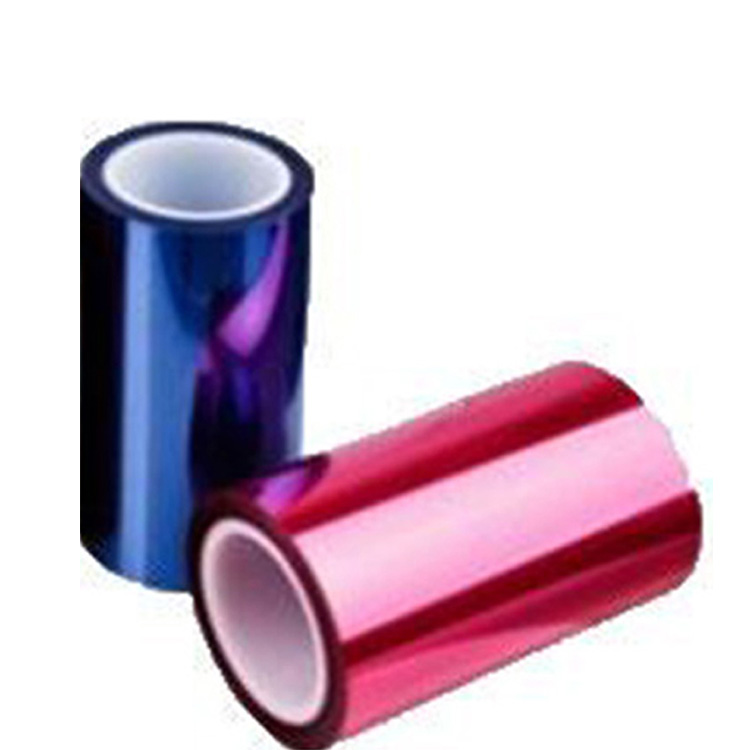
The primary function of release films is to prevent adhesion between sticky substances and their carriers during production, storage, or transportation. In composite manufacturing, they serve as barriers between uncured resins and molding tools. For pressure-sensitive adhesives (PSAs), they protect the adhesive layer until application. The technology has evolved to meet demanding industrial requirements, with modern films offering precise release forces ranging from extremely light (5g/inch) for delicate electronics to heavy (500g/inch) for industrial composites.
Release films are characterized by their thermal stability, chemical resistance, and surface uniformity. High-performance variants can withstand autoclave conditions up to 300°C (572°F) while maintaining dimensional stability. The selection criteria for release films include substrate material, coating type, thickness (typically 25-200 microns), and surface energy (usually 20-30 dynes/cm).
The global market for release films continues to expand, driven by growth in industries like aerospace, electronics, and medical devices. Manufacturers are developing more sustainable solutions, including solvent-free coatings and recyclable substrates, to meet environmental regulations without compromising performance.
Content Tags
PE Release Film
PE Release Film for Electronics Industry
PE Release Film for Packaging Industry
PE Release Film for Medical lndustry
PE Release Film for Construction Industry
PE Release Film for Automotive Manufacturing industry