

Want to know about the key performance indicators of using glassine release paper?
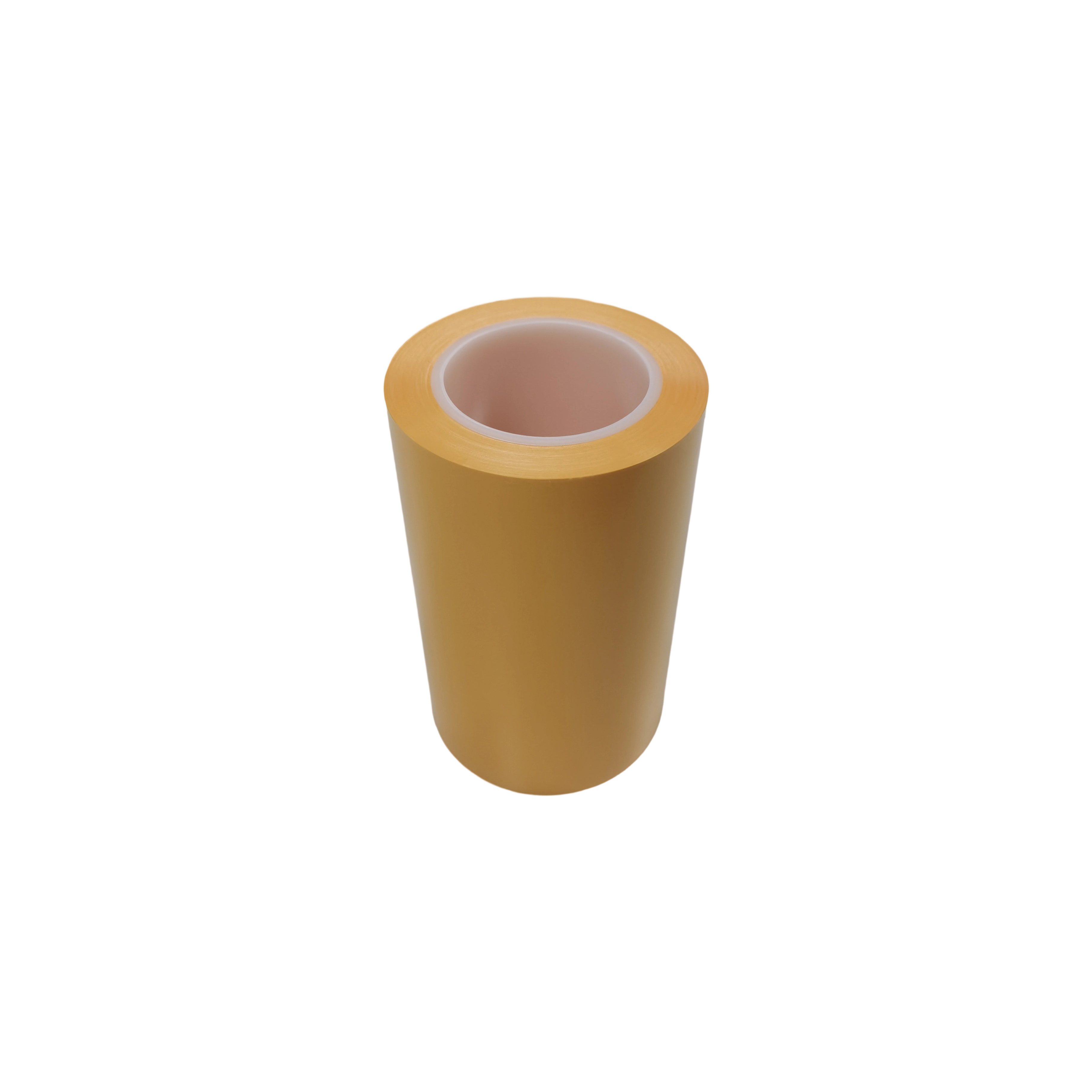
Glassine release paper is a high-performance release material that has undergone special processing. It is made from glassine paper as the substrate and coated with a release agent (such as silicone resin) on the surface. It features high temperature resistance, solvent resistance, and stable release force, and is widely used in adhesive labels, electronic die-cutting, pharmaceutical packaging, and other fields. Here is a detailed introduction:
The resistance to peeling of viscous materials is measured in grams per inch (g/in), and can be customized according to specific needs (typically ranging from 5 to 300g/in):
Light release (5~30g/in): suitable for low-adhesive glues (such as sticky notes), easy to peel off.
Medium release (30~100g/in): Universal type, suitable for most adhesive labels and tapes.
Heavy release (100~300g/in): suitable for high-tack adhesives (such as industrial tape) to prevent premature detachment.
heat resistance
The silicon coating can withstand high temperatures ranging from 120 to 200℃ (for short periods), and is less prone to aging or failure during processes such as die-cutting and lamination, making it superior to ordinary release papers (such as kraft release paper, which can withstand temperatures up to 100℃).
Physical properties
Thickness: Typically ranging from 25 to 120μm (commonly used between 50 and 80μm), with good uniformity (error ≤±3μm).
Tensile strength: ≥3.5kN/m in the longitudinal direction, ≥2.5kN/m in the transverse direction, and not prone to tearing.
Solvent resistance: The coating exhibits a certain degree of resistance to common solvents such as alcohol and toluene, making it less prone to dissolution.
flatness
After super calendering, the paper warp is less than or equal to 3mm/m, making it suitable for high-precision die-cutting (such as fine graphic die-cutting of electronic components), avoiding die-cutting deviations caused by uneven paper.