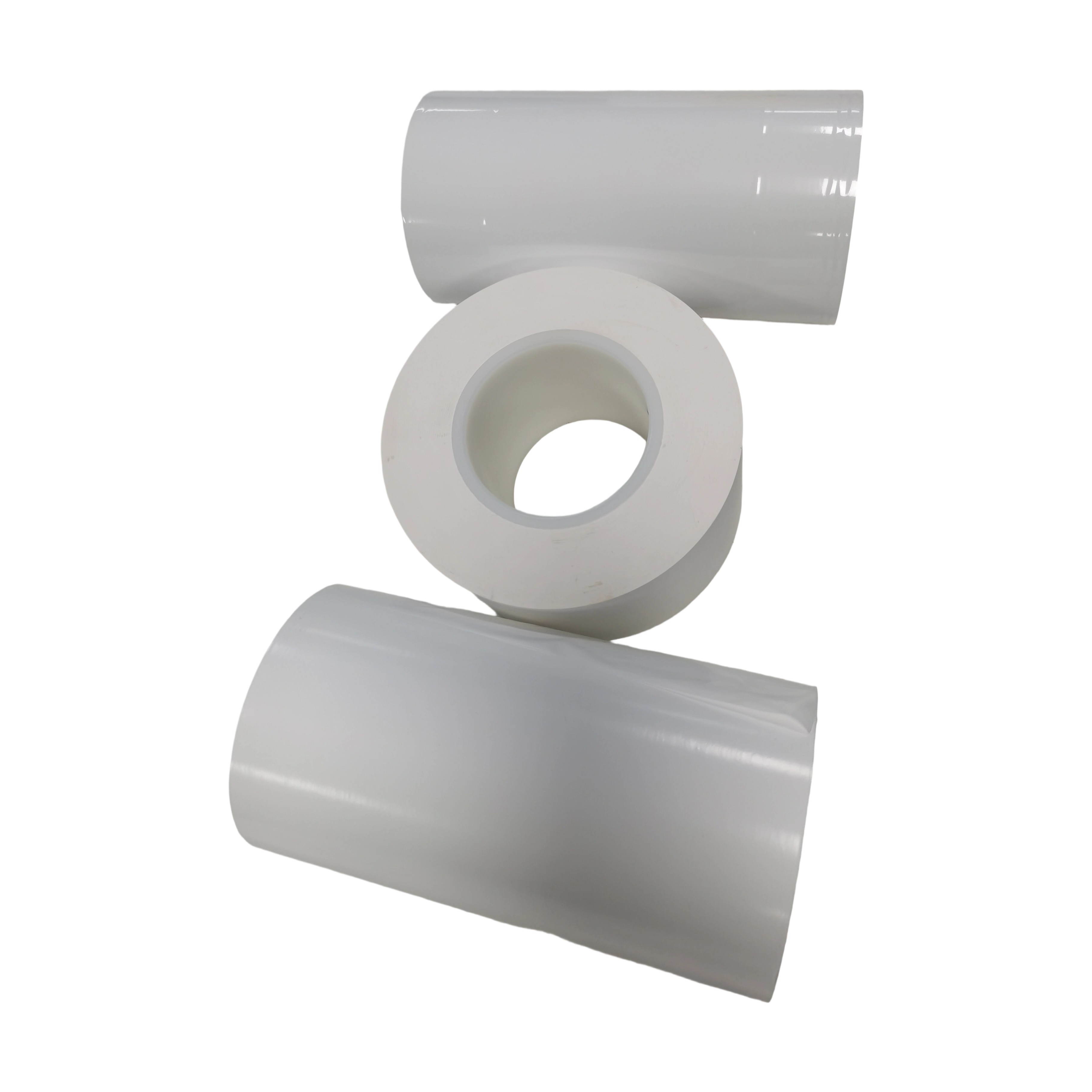
TOP TECH: Leading Asia, Shaping the New Future of Release Materials!
---Dedicated to Release Films, with Nearly 40 Years of Deep Expertise---
TOP TECH has forged a close partnership with SILICONATURE, a globally renowned brand in release materials, and has dedicated nearly four decades to mastering the release film industry. Our unwavering professionalism and commitment aim to deliver unparalleled quality, making us your most trusted partner.
---Technology Leadership, Patented Excellence---
Centered on functional release materials, we have developed a comprehensive product and service system, earning recognition through multiple national technology patents. With an annual production capacity exceeding 1 billion square meters, our robust R&D capabilities and innovative spirit provide solid technical support for every project.
---Strategic Global Layout, Full Asian Coverage---
With dual hubs in Shenzhen and Wuxi, service centers in North and Central China, and market presence in Vietnam and Japan, complemented by production bases in Jiangxi, Italy, and the U.S., our global manufacturing network ensures rapid response and fulfillment of customer demands across the release film market.
---Cutting-Edge Equipment, Pursuit of Perfection---
We operate industry-leading, ultra-wide, ultra-high-speed coating, rewinding, and slitting equipment, along with high-purity cleanrooms (Class 1,000 and Class 10,000). These facilities guarantee exceptional product performance and consistent quality, reflecting our relentless pursuit of excellence to deliver the finest customer experience.
---Core Strengths to Empower Your Market Leadership---
International Quality, Local Innovation:
By integrating SILICONATURE’s four decades of precision craftsmanship with the unique demands of the Asian market, we offer customized, one-stop release material solutions tailored to your specific needs.
Comprehensive Release Agent Solutions:
From solvent-based to emulsion-based, solvent-free to UV-curable technologies, we provide a full spectrum of release agent options to meet diverse application requirements.
Broad Application Fields:
Our products are widely used in die-cutting, adhesive tapes, protective films, labels, and industries such as new energy, MLCC, polarizers, and lithium batteries, earning acclaim for their reliability and performance.
---Trusted by Global Industry Leaders---
Renowned brands like Huawei, Apple, OPPO, VIVO, Xiaomi, Amazon, Google, as well as TESA and 3M, have chosen TOP TECH as their partner. This endorsement reflects our industry-leading position and unwavering commitment to excellence.
---Environmental Commitment, Sustainable Growth---
In response to global environmental calls, we launched a recycling and reuse strategy in 2016 and achieved GRS (Global Recycled Standard) certification. Over the next three years, we aim to progressively increase the proportion of eco-friendly release films in our shipments, contributing to a sustainable future.
---Choose TOP TECH, Choose Professionalism and Trust---
TOP TECH release films simplify the release process!
Our strategic (global-local footprint), cutting-edge equipment, and core strengths will empower you to lead the market while achieving cost savings and efficiency gains.
Partner with TOP TECH to create a brighter future together!