

Double-Sided Release Film vs. Single-Sided Release Film: Key Differences and Use Cases
While both double-sided and single-sided release films share the core function of providing a non-stick surface, there are significant differences between the two that make them suitable for distinct applications. Single-sided release film features a release coating on only one surface, making it ideal for applications where only one side needs protection or separation, such as the backing for single-sided adhesive tapes or the protective layer for printed materials. It is also more cost-effective than double-sided release film, making it a popular choice for general-purpose applications where double-sided protection is not required.
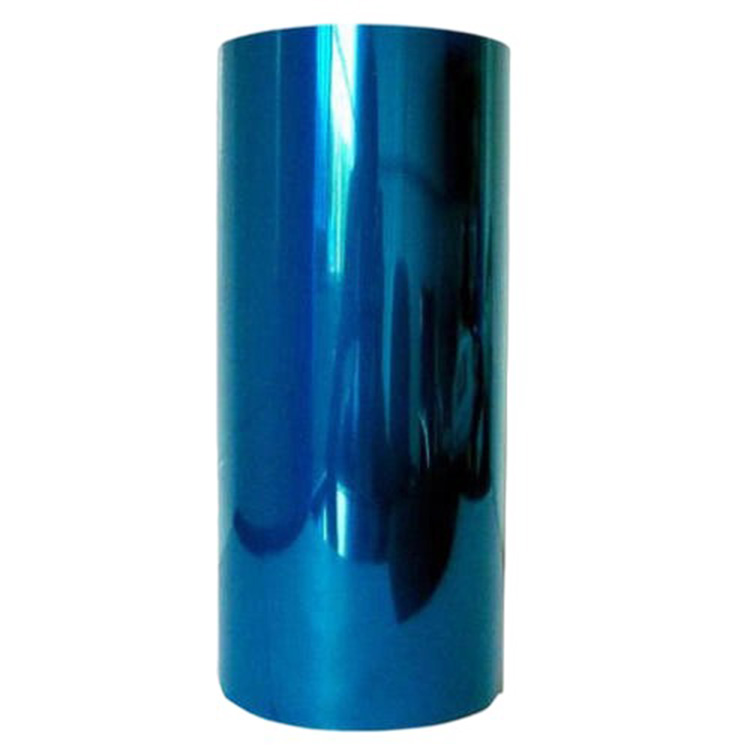
Double-sided release film, on the other hand, offers a release coating on both surfaces, making it suitable for applications that require protection or separation on both sides. This includes double-sided adhesive tapes, where the film acts as a liner for both adhesive layers, and composite materials manufacturing, where it serves as a separator between layers of material. Another key difference is in their handling and application: double-sided release film requires more precise manufacturing to ensure consistent release force on both sides, while single-sided release film is simpler to produce. The choice between the two depends on the specific requirements of the application—single-sided release film is ideal for cost-sensitive, single-sided protection needs, while double-sided release film is necessary for applications that demand double-sided non-stick performance and precision.
Tags:Double-sided Release Film