

Choosing the Right Double-Sided Release Film: Factors to Consider
Selecting the appropriate double-sided release film for a specific application requires careful consideration of several key factors, as the performance of the film directly impacts the quality and efficiency of the manufacturing process. One of the most important factors is the base material, which determines the film’s thermal stability, chemical resistance, and mechanical strength. For example, PET film is ideal for high-temperature applications, while PE film is more cost-effective for general-purpose use. The thickness of the base film is another critical consideration, as it affects the film’s dimensional stability and handling properties—thicker films offer greater rigidity, while thinner films are more flexible and suitable for applications where space is limited.
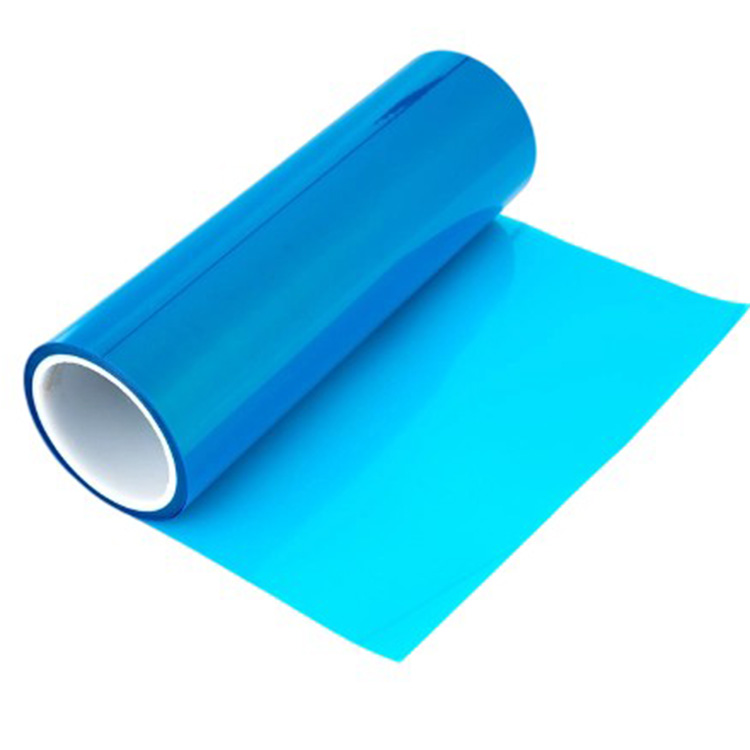
The type of release coating is also a key factor. Silicone-based coatings are the most common, offering excellent non-stick performance and compatibility with most adhesives. However, for applications involving specialty adhesives, such as UV-curable or hot-melt adhesives, specialized release coatings may be required. The release force of the film is another important parameter, which should be matched to the adhesive’s properties—low release force is suitable for pressure-sensitive adhesives, while higher release force is needed for more aggressive adhesives. Other factors to consider include the film’s surface tension, which affects the adhesion of the release coating, and its compatibility with the manufacturing process, such as whether it can withstand heat, pressure, or chemical exposure. By carefully evaluating these factors, manufacturers can select the right double-sided release film to meet their specific needs and ensure optimal performance.
Tags:Double-sided Release Film