

Double-Sided Release Film in Electronic Manufacturing: A Critical Component for Precision
The electronic manufacturing industry demands materials that offer high precision, reliability, and compatibility with sensitive components, and double-sided release film meets these requirements exceptionally well. It is extensively used in various electronic applications, such as the production of flexible printed circuits (FPCs), touch panels, and semiconductor devices. In FPC manufacturing, double-sided release film serves as a temporary carrier for the adhesive used to bond the flexible substrate to other components, ensuring precise alignment and easy separation after curing. The film’s low release force prevents damage to the delicate FPC during peeling, while its thermal stability withstands the high temperatures involved in the soldering or curing processes.
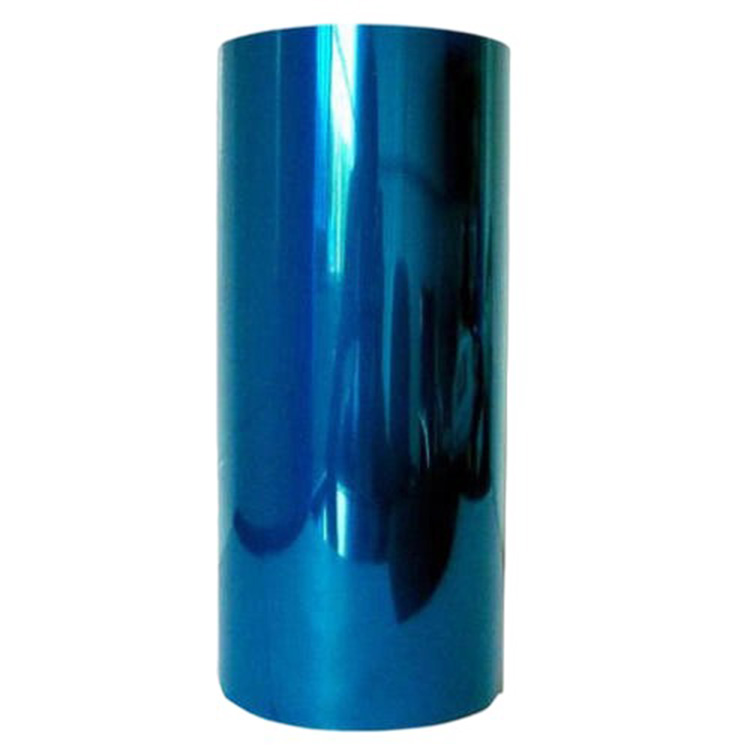
Another key application in electronics is the production of adhesive films for semiconductor packaging. Double-sided release film is used to protect the adhesive layer of these films, ensuring that they maintain their stickiness and performance until they are applied to the semiconductor chip. The film’s chemical resistance is particularly important here, as it prevents contamination from solvents or other chemicals used in the packaging process. Additionally, double-sided release film is used in the manufacturing of touch panels, where it acts as a separator between the adhesive layers and the glass or plastic substrates, ensuring smooth assembly and preventing air bubbles. As electronic devices become increasingly miniaturized and complex, the demand for high-performance double-sided release film with precise specifications—such as ultra-thin thickness, uniform release force, and low particle count—continues to grow.
Tags:Double-sided Release Film