

Thermal Conductive Coating PP Film: Enhancing Heat Dissipation in Modern Electronics
Introduction
As electronic devices become more compact and powerful, effective thermal management is crucial to ensure performance and longevity. Thermal conductive coating polypropylene (PP) film has emerged as an innovative solution, combining the lightweight flexibility of PP with advanced heat-dissipating properties. This article explores the composition, benefits, and applications of thermal conductive PP films in various industries.
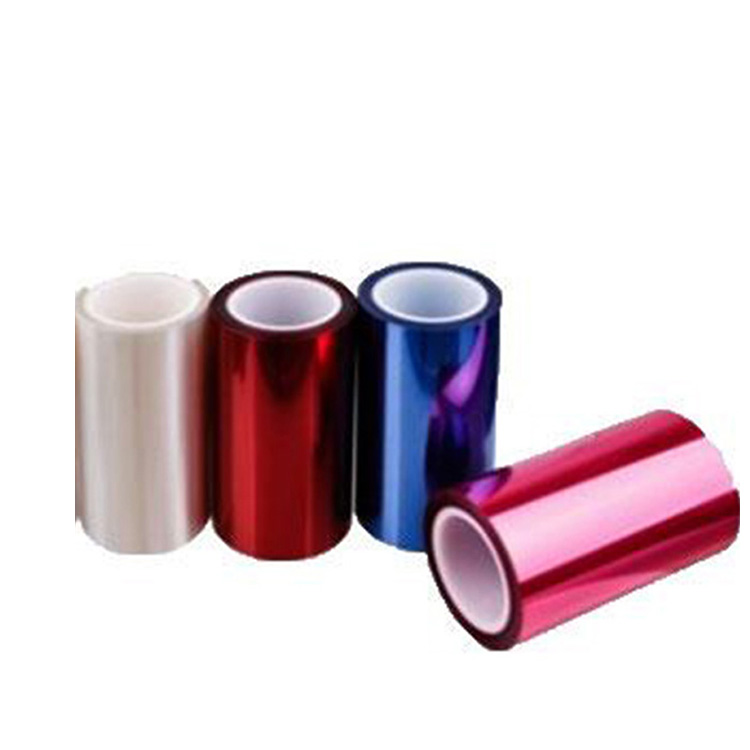
Pp Release Film for Medical industry Thermal Conductive Coating PP Film Structure and Composition
Thermal conductive PP films are engineered by coating a polypropylene substrate with thermally conductive materials such as:
Ceramic particles (Al₂O₃, BN, SiO₂) – Improve heat resistance and insulation.
Carbon-based fillers (graphene, carbon nanotubes) – Enhance thermal conductivity.
Metallic additives (aluminum, copper flakes) – Boost heat dissipation.
The coating is applied through advanced deposition techniques like sputtering, spraying, or laminating, ensuring uniform heat distribution.
Pp Release Film for Electronics Industry Key Properties and Advantages
High Thermal Conductivity (1-10 W/mK) – Efficiently transfers heat away from sensitive components.
Electrical Insulation – Prevents short circuits, making it ideal for electronics.
Pp Release Film for Automotive Manufacturing Industry Lightweight & Flexible – Maintains PP’s inherent flexibility for conformal applications.
Chemical & Moisture Resistance – Withstands harsh environments without degradation.
Cost-Effective Production – PP’s low material cost makes it a budget-friendly alternative to metal heat sinks.
Applications in Industry
1. Consumer Electronics
Used in smartphones, tablets, and laptops to prevent overheating.
Acts as a heat spreader in battery modules and LED displays.
2. Automotive Electronics
Improves thermal management in EV battery packs and power control units.
Protects sensors and infotainment systems from heat damage.
3. Energy Storage & Power Devices
Enhances thermal regulation in lithium-ion batteries and supercapacitors.
Used in photovoltaic modules to improve solar cell efficiency.
4. Industrial Equipment
Applied in motors, transformers, and power modules for heat dissipation.
Serves as an insulating layer in high-temperature machinery.
Comparison with Traditional Thermal Management Materials
Material Thermal Conductivity Weight Flexibility Cost
PP Coated Film Moderate (1-10 W/mK) Lightweight High Low
Aluminum High (~200 W/mK) Heavy Rigid Medium
Graphite Sheets Very High (~1500 W/mK) Light Moderate High
While metals and graphite offer superior conductivity, thermal conductive PP films provide a balanced solution with flexibility, insulation, and cost efficiency.
Future Trends
Nanocomposite Coatings – Integration of graphene and boron nitride for higher thermal performance.
Eco-Friendly Formulations – Development of biodegradable PP films with thermal properties.
5G & IoT Applications – Demand for thinner, more efficient films in next-gen electronics.
Conclusion
Thermal conductive coating PP film is a versatile and cost-effective solution for modern thermal management challenges. Its unique combination of heat dissipation, electrical insulation, and flexibility makes it indispensable in electronics, automotive, and energy storage applications. As technology advances, further innovations in material science will expand its role in next-generation devices.