

Heat Transfer Polypropylene (PP) Release Film: Technology and Industrial Applications
Introduction
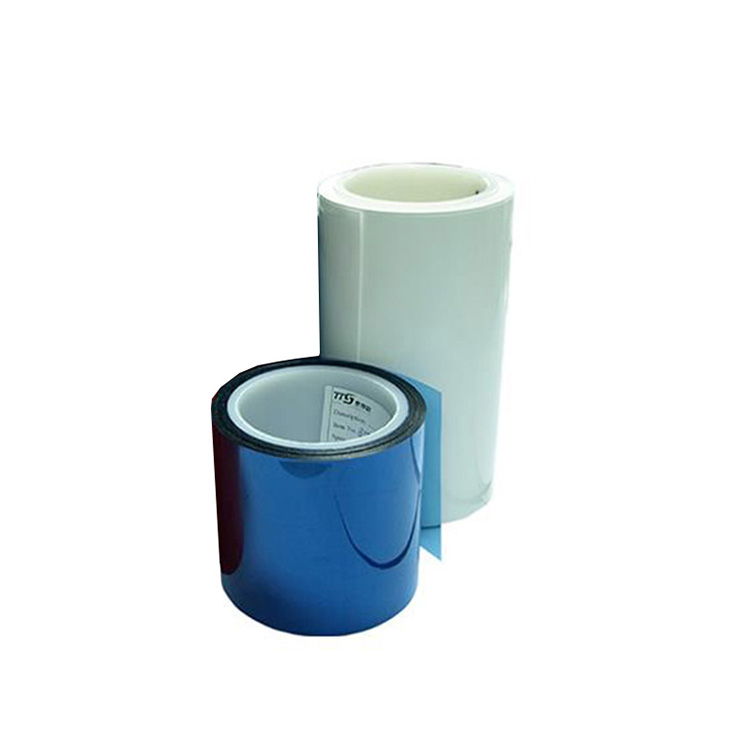
Heat Transfer PP Release Film is an advanced functional material designed for high-temperature industrial processes where controlled release and thermal stability are critical. This specialized film combines polypropylene's inherent chemical resistance with engineered surface treatments to create a thermally conductive yet releasable interface. It plays a vital role in composite manufacturing, textile processing, and electronic component fabrication where precision heat transfer and clean separation are required.
Key Technical Features
Thermal Conductivity Optimization
Modified PP formulation with thermal conductivity up to 0.25 W/m·K
Maintains dimensional stability across 80-220°C operating range
Graded Release Performance
Silicone or ceramic-based coatings with temperature-dependent release characteristics
Customizable release forces from 2-200 g/in
Surface Engineering
Micro-textured or nano-coated surfaces for improved heat distribution
Anti-static treatments for electronic applications
Mechanical Durability
Pp Release Film for Electronics Industry Tear strength exceeding 300 N/mm²
Low thermal expansion coefficient (<50 μm/m·°C)
Manufacturing Process
The production involves:
Compounding - PP resin blended with thermal conductive fillers (aluminum nitride, boron nitride)
Co-extrusion - Multi-layer structure with functional surface layers
Pp Release Film for Packaging Industry Surface Treatment - Plasma-enhanced coating deposition
Precision Calendering - Thickness control within ±2μm tolerance
Industrial Applications
Aerospace Composites
Autoclave processing of CFRP components
Reduces thermal gradients during curing
Printed Electronics
Transfer printing of conductive inks
Enables high-resolution pattern transfer
Technical Textiles
Heat transfer decoration of performance fabrics
Sublimation printing carrier films
Pp Release Film for Medical industry Energy Storage
Battery cell stacking processes
Prevents electrode adhesion during thermal compression
Performance Advantages
40% faster heat transfer compared to standard release films
60% reduction in process energy consumption
Enables ±1°C temperature uniformity across working surface
Withstands over 200 thermal cycles without performance degradation
Market Trends
The global heat transfer PP release film market is projected to grow at 8.7% CAGR through 2030, driven by:
Increasing adoption in electric vehicle battery production
Advancements in additive manufacturing processes
Demand for sustainable alternatives to PTFE-based solutions
This technology represents a significant advancement in thermal interface materials, combining the processability of PP with engineered thermal performance for next-generation manufacturing applications.