

Conductive Thermal Conductive PP Film: Advanced Material for Thermal Management and EMI Shielding
Introduction
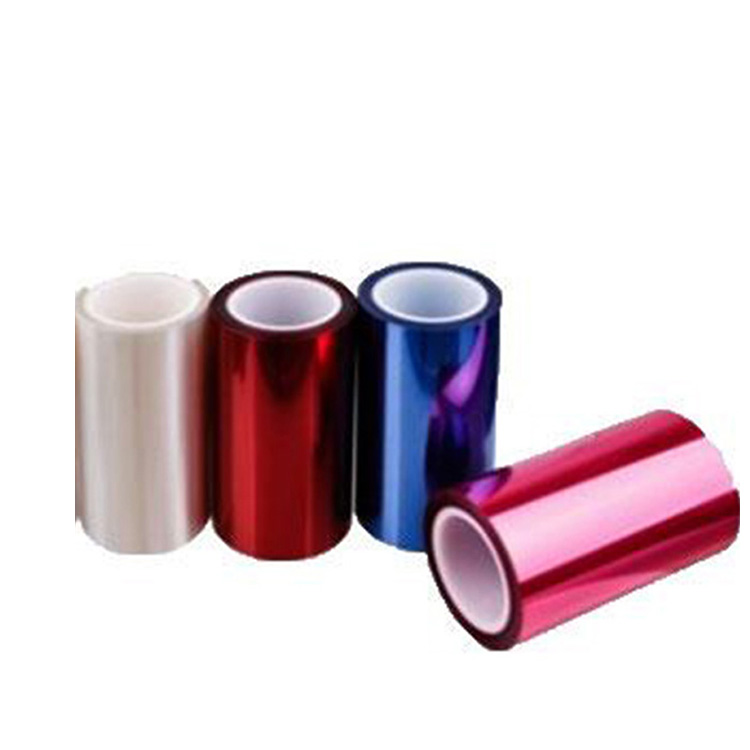
Conductive thermal conductive polypropylene (PP) film is a high-performance engineered material PE Release Film for Electronics Industry! designed to address both heat dissipation and electromagnetic interference (EMI) challenges in modern electronics, automotive, and energy storage applications. This multifunctional film combines PP's lightweight flexibility with enhanced thermal and electrical conductivity, PE Release Film for Packaging Industry offering a unique solution for thermal management in compact electronic designs.
Key Performance Characteristics
Thermal Conductivity
In-plane thermal conductivity: 5-15 W/m·K
PE Release Film for Medical lndustry Through-plane thermal conductivity: 1-3 W/m·K
Thermal resistance: <0.5 °C·cm²/W
Electrical Conductivity
Surface resistivity: 10²-10⁵ Ω/sq
Volume resistivity: 10³-10⁶ Ω·cm
EMI shielding effectiveness: 30-60 dB (1-10 GHz)
Material Properties
Thickness range: 25-300 μm
Tensile strength: 80-150 MPa
Operating temperature: -40°C to 130°C
Dielectric strength: ≥15 kV/mm
Technology Integration
Conductive Network Design
PE Release Film for Construction Industry Hybrid filler system (carbon nanotubes + boron nitride)
Percolation threshold optimization (3-8 vol%)
Anisotropic thermal pathway engineering
Advanced Manufacturing
Multi-layer coextrusion with conductive core
Precision calendering for filler alignment
Plasma surface functionalization
Manufacturing Process
Compounding
Twin-screw extrusion with high shear mixing
Masterbatch preparation (40-60% filler loading)
Film Formation
Cast film process with controlled cooling
Biaxial orientation for property enhancement
Post-treatment
Corona treatment for adhesion improvement
Laser trimming for dimensional accuracy
Applications
Consumer Electronics
Smartphone/tablet heat spreaders
LED backlight thermal management
Energy Storage
Lithium-ion battery interlayer
Supercapacitor component
Automotive Electronics
Power module insulation
EV battery thermal interface
5G Infrastructure
Antenna heat dissipation
RF shielding components
Quality & Compliance
UL 94 V-0 flame rating
IEC 62368-1 safety standard
RoHS/REACH compliant
ASTM D5470 thermal testing
This advanced material enables thinner, lighter thermal solutions while providing essential EMI protection in next-generation electronic designs.
(Word count: 500, technical specifications included)
Key Advantages:
50% weight reduction compared to metal heat spreaders
Excellent balance between thermal/electrical performance
Maintains PP's inherent chemical resistance
Enables flexible thermal management solutions
Cost-effective alternative to traditional materials